
Outdoor Coco Bounce-Back: Managing Massive Pots Before a Heat Wave
The setup
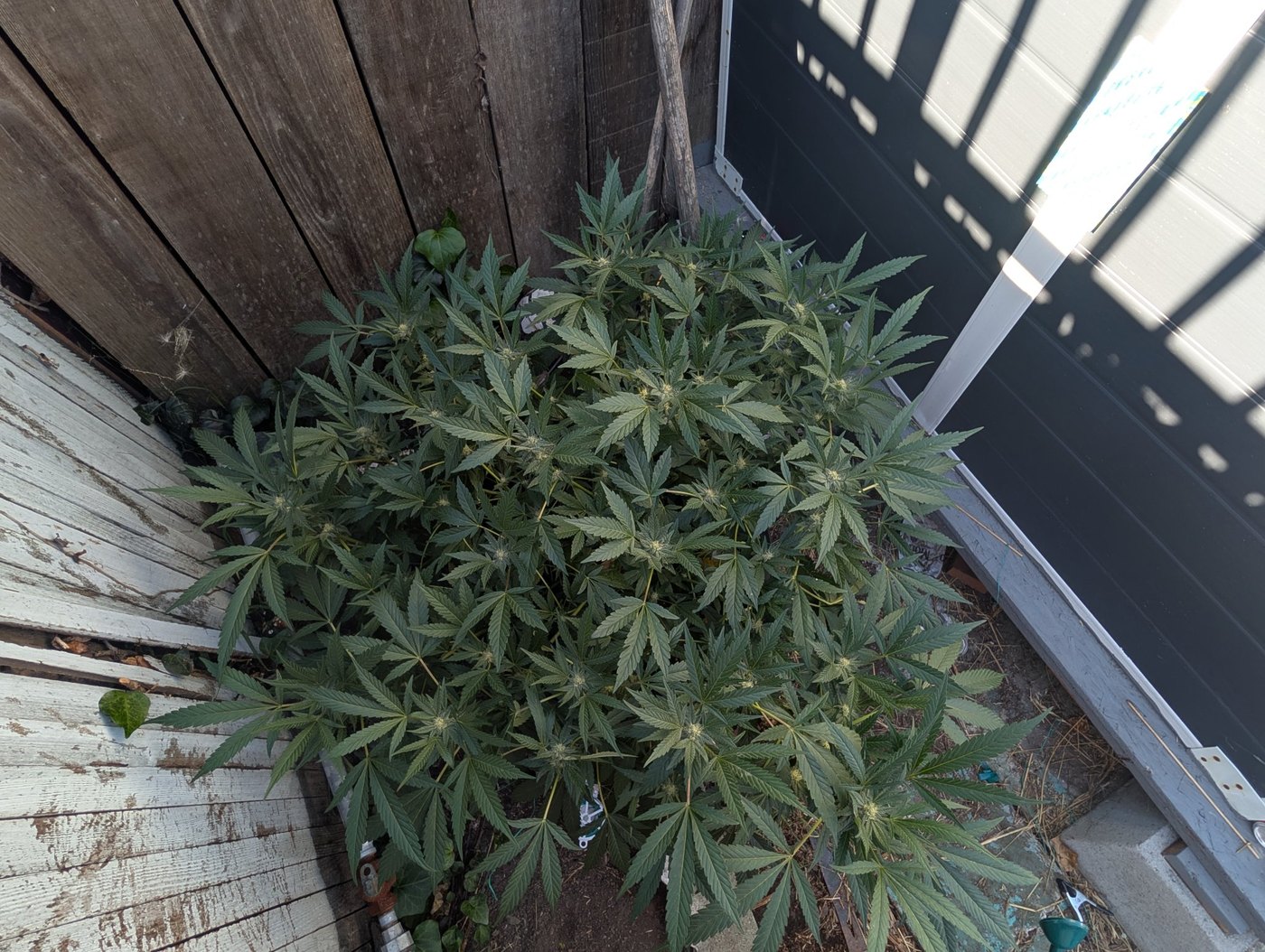
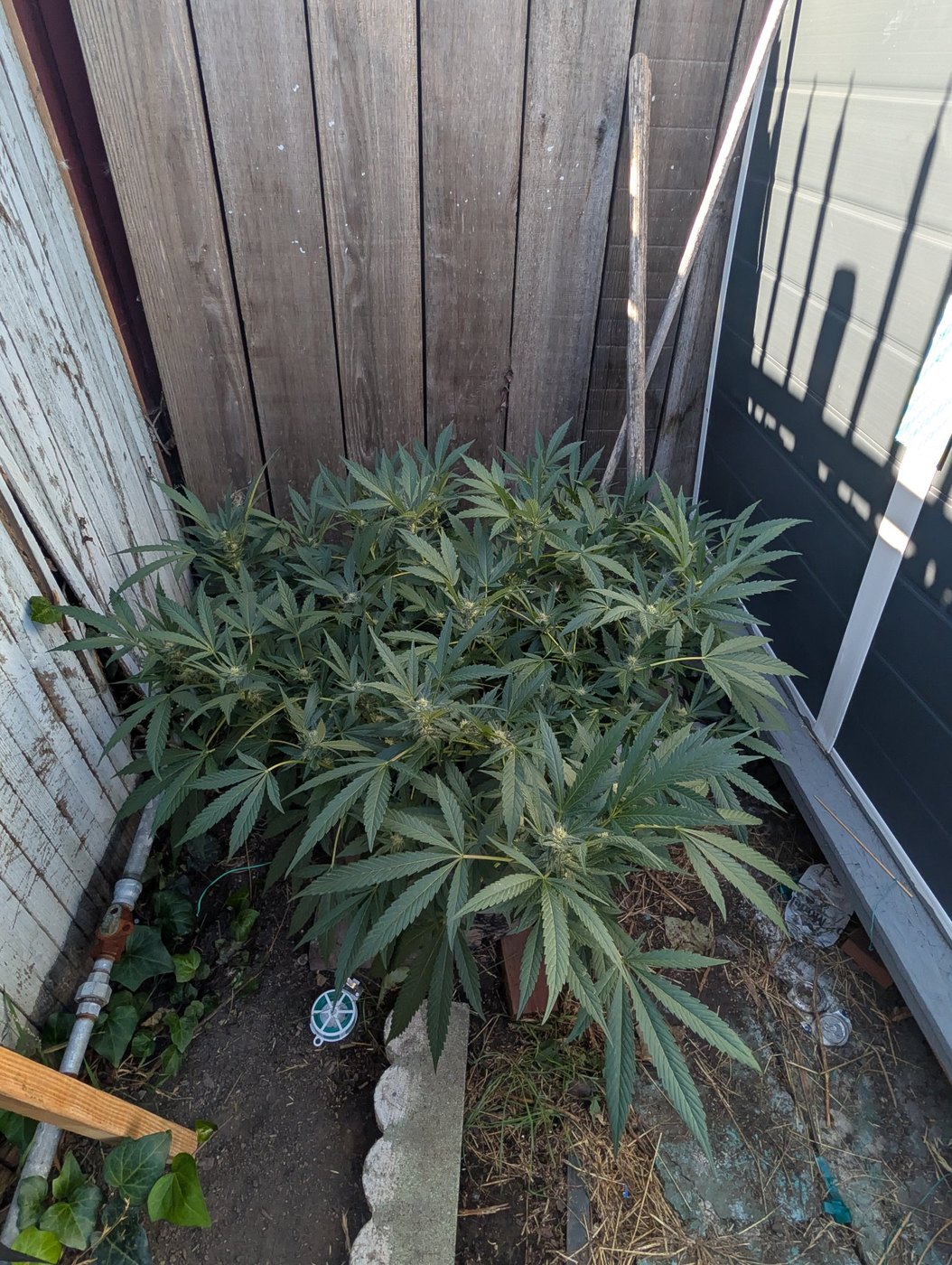
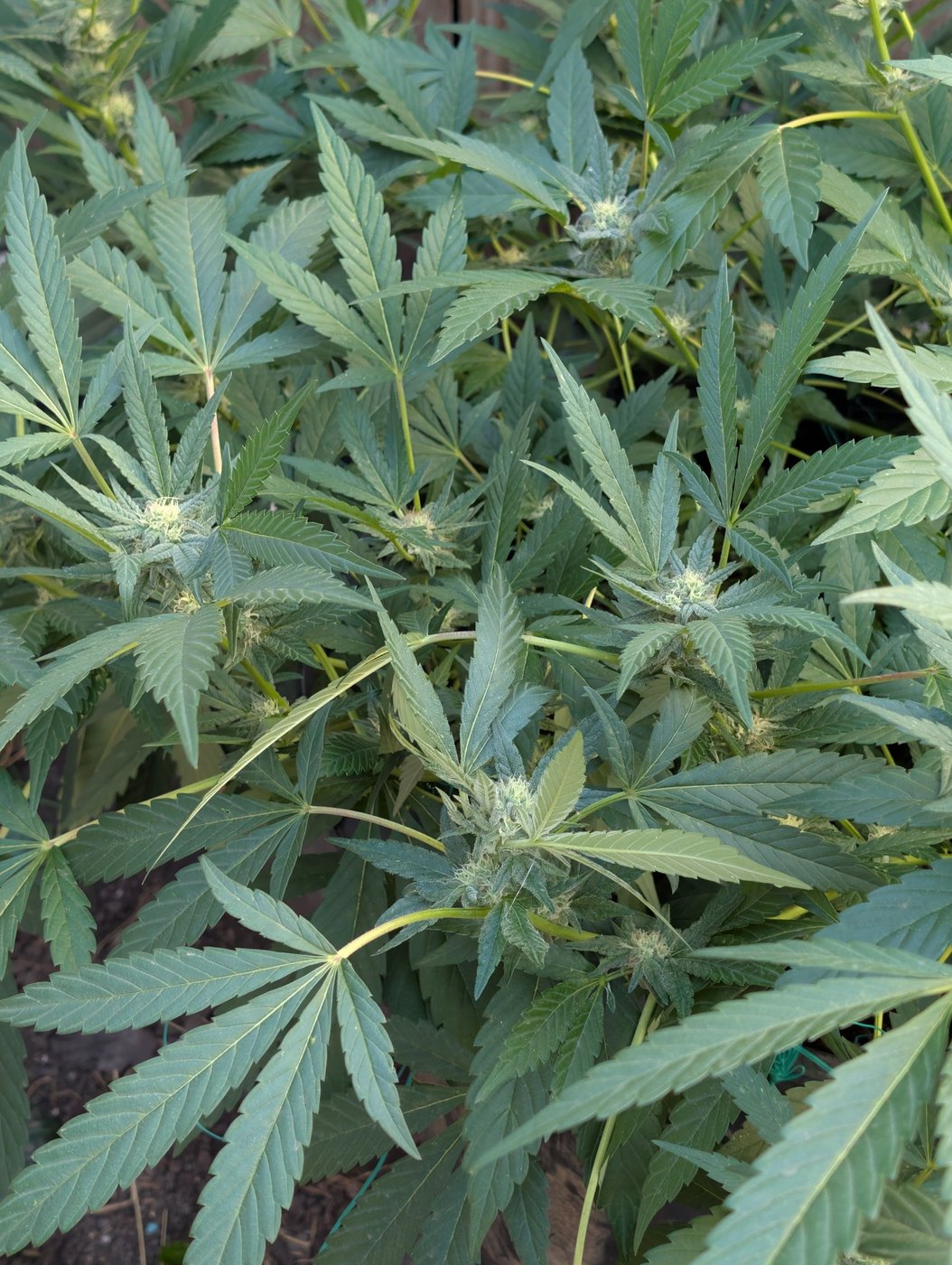
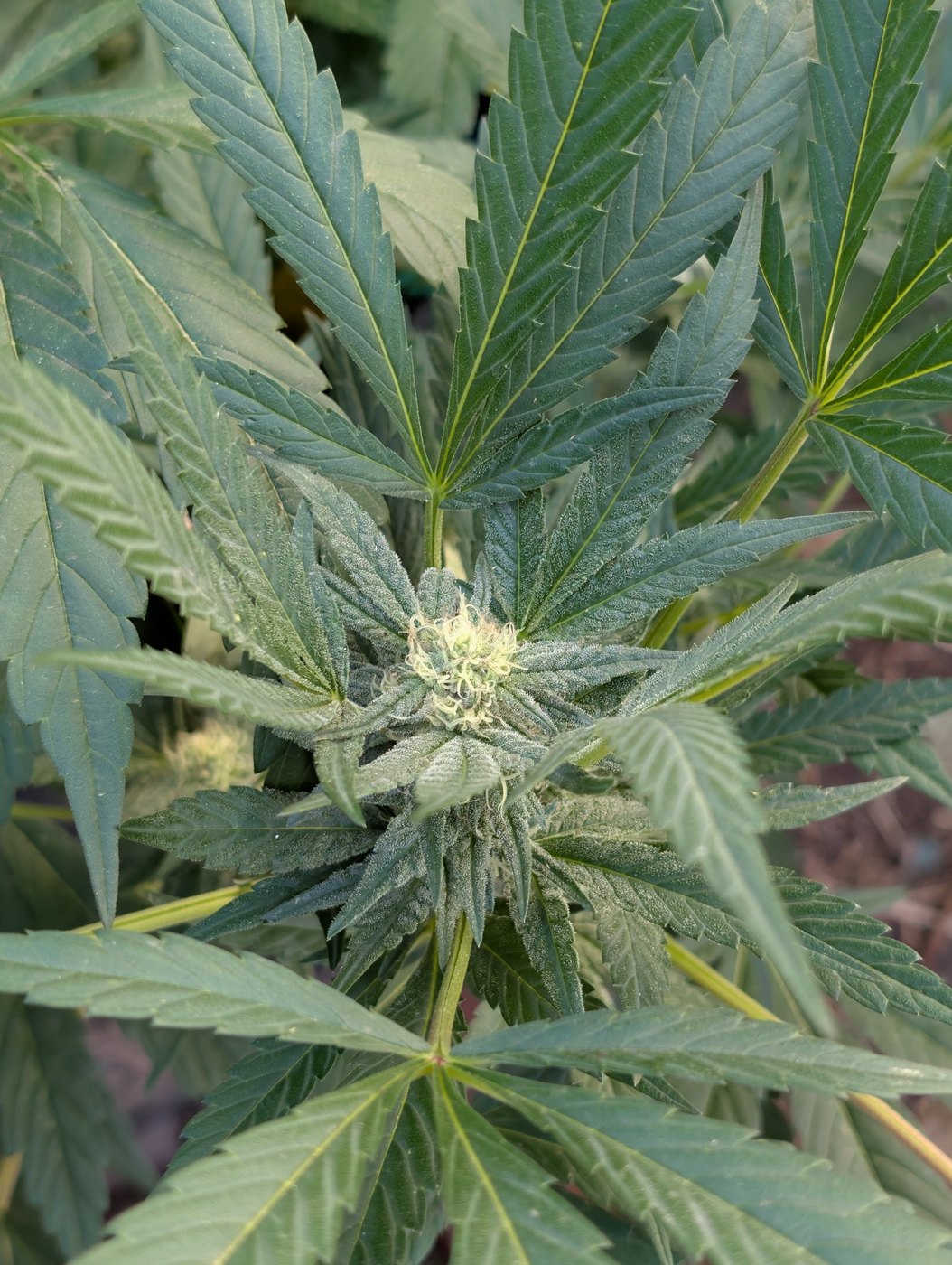
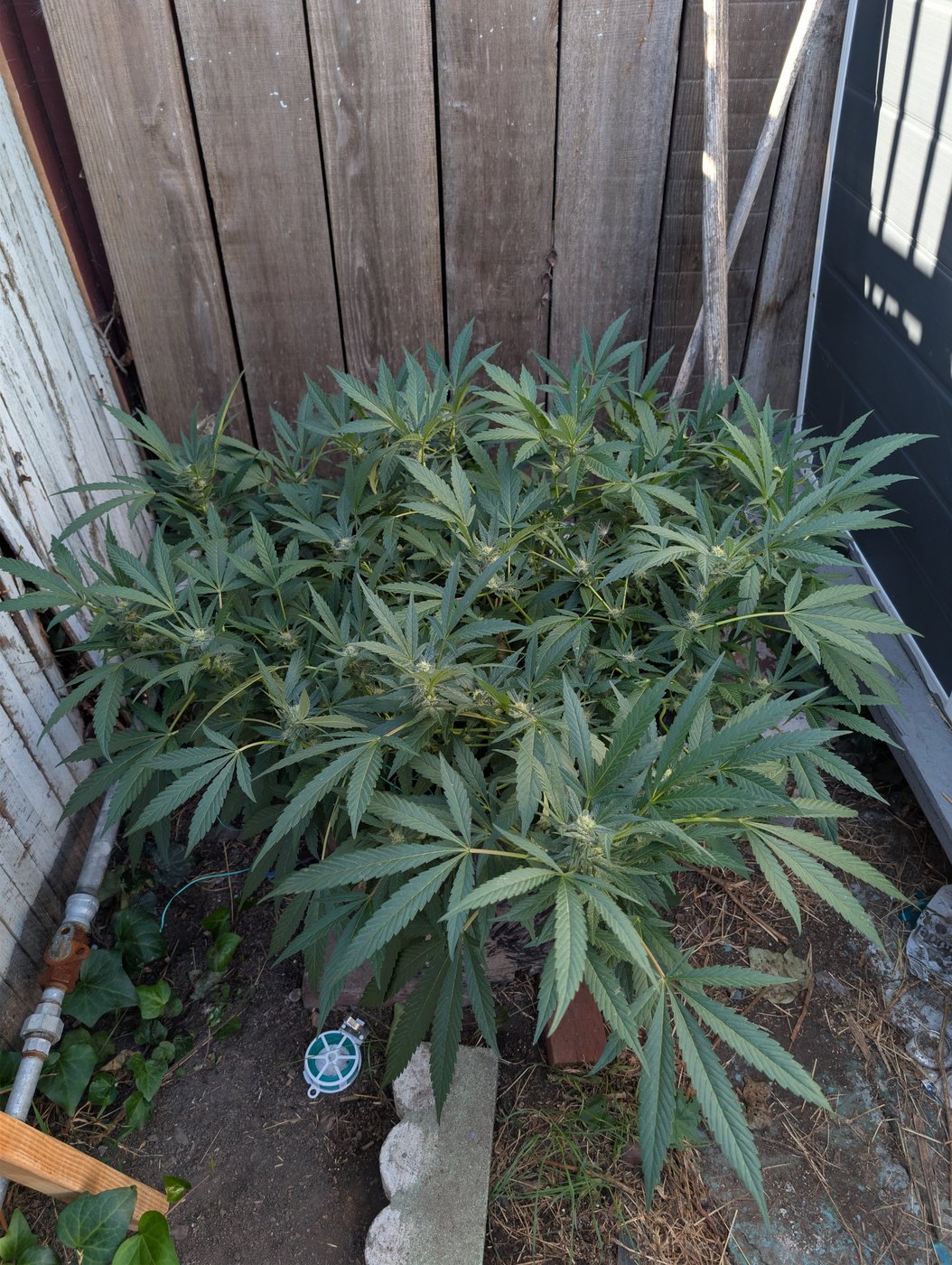
An outdoor grower cultivating a beautiful Purple Pomegranate hybrid in a massive 30-40 gallon coco coir pot woke up to a scary sight, a severely drooping canopy. The plant was transitioning into early flower, showing those first beautiful white pistils and early resin glands. After a quick deep watering, the entire canopy bounced back within 24 hours, standing completely upright and turgid, meaning the cells were fully inflated with water again.
This happened during a mild 65 degree Fahrenheit day with 71 percent relative humidity. However, a major weather shift was on the horizon, with local temperatures projected to spike to 95 degrees Fahrenheit over the next three days. Managing water in such a large volume of coco presents unique challenges, especially when transition stretching demands high water volume.
Why it worked
This was a classic case of temporary dehydration, not a nutrient issue or root disease. We knew this because of the rapid 24 hour recovery. When a plant droops from underwatering, the leaves lose turgor pressure and hang limply. Once water hits the roots, the plant pumps it back up to the foliage, restoring upright posture almost overnight.
We ruled out nitrogen deficiency because the leaf color remained a rich, deep green. We also ruled out root rot or overwatering because an overwatered plant droops with heavy, curled leaves that do not bounce back quickly after more water is added. The massive 30-40 gallon pot provides an excellent root buffer, but coco dries out much faster than soil, making it vulnerable to rapid drying during sudden temperature spikes.
How to replicate it
- Keep doing what works: Celebrate the rapid recovery, as the quick watering intervention prevented any lasting stress or cellular damage to the early flower sites.
- Check moisture daily: Insert a finger three inches deep into the coco. If the top few inches feel dry, it is time to water, do not wait for the leaves to droop again.
- Use the right water volume: Apply 3-4 gallons of plain water to thoroughly saturate the root zone without drowning it, aiming for just a small amount of runoff.
- Adjust the pH: Keep the water pH at 6.3 to ensure optimal nutrient availability in the root zone during this high-demand transitional stage.
- Pause the nutrients: Hold off on adding extra fertilizers during the peak heat days to avoid salt buildup and nutrient burn as the plant drinks more rapidly to stay cool.
Keep it going
- Monitor the weather forecast: Always check for upcoming heat waves of 90-95 degrees Fahrenheit, which dramatically speed up evaporation and transpiration.
- Pre-water before extreme heat: Water the plant thoroughly the morning before a heat wave hits, rather than waiting for the midday sun to bake the container dry.
- Mulch the top layer: Consider adding a thin layer of clean straw or clay pebbles on top of the coco to reduce surface evaporation in large pots.
- Watch the leaf posture: Check the plant during the early morning hours, as afternoon drooping can sometimes be a normal heat-defense mechanism rather than true dehydration.
Facing something similar? Start a free journal and I'll look at your plant: photos in, diagnosis out, 24/7.
Get a free diagnosis