
Fixing pH Lockout and Managing Huge Outdoor Coco Pots
The setup
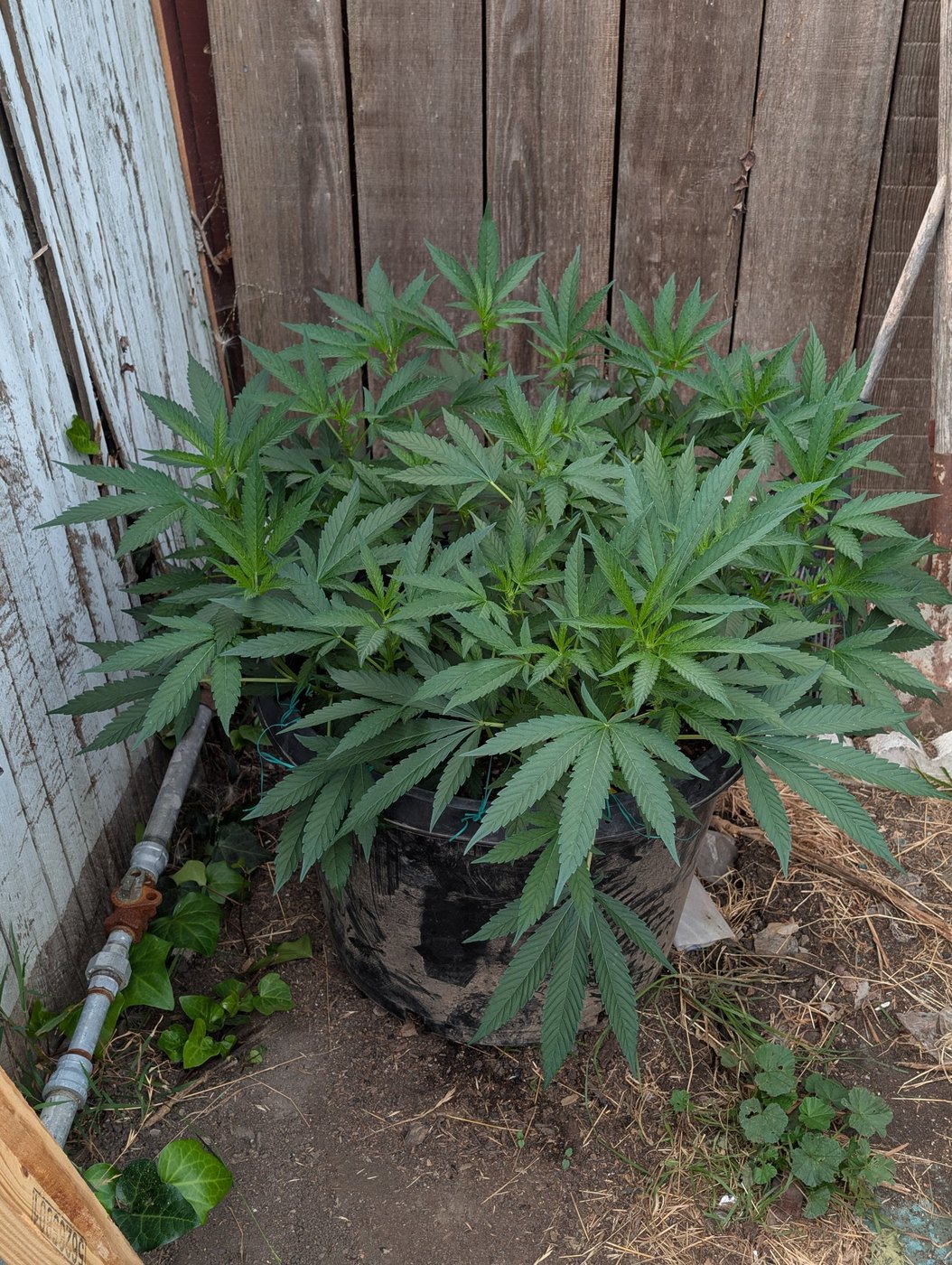
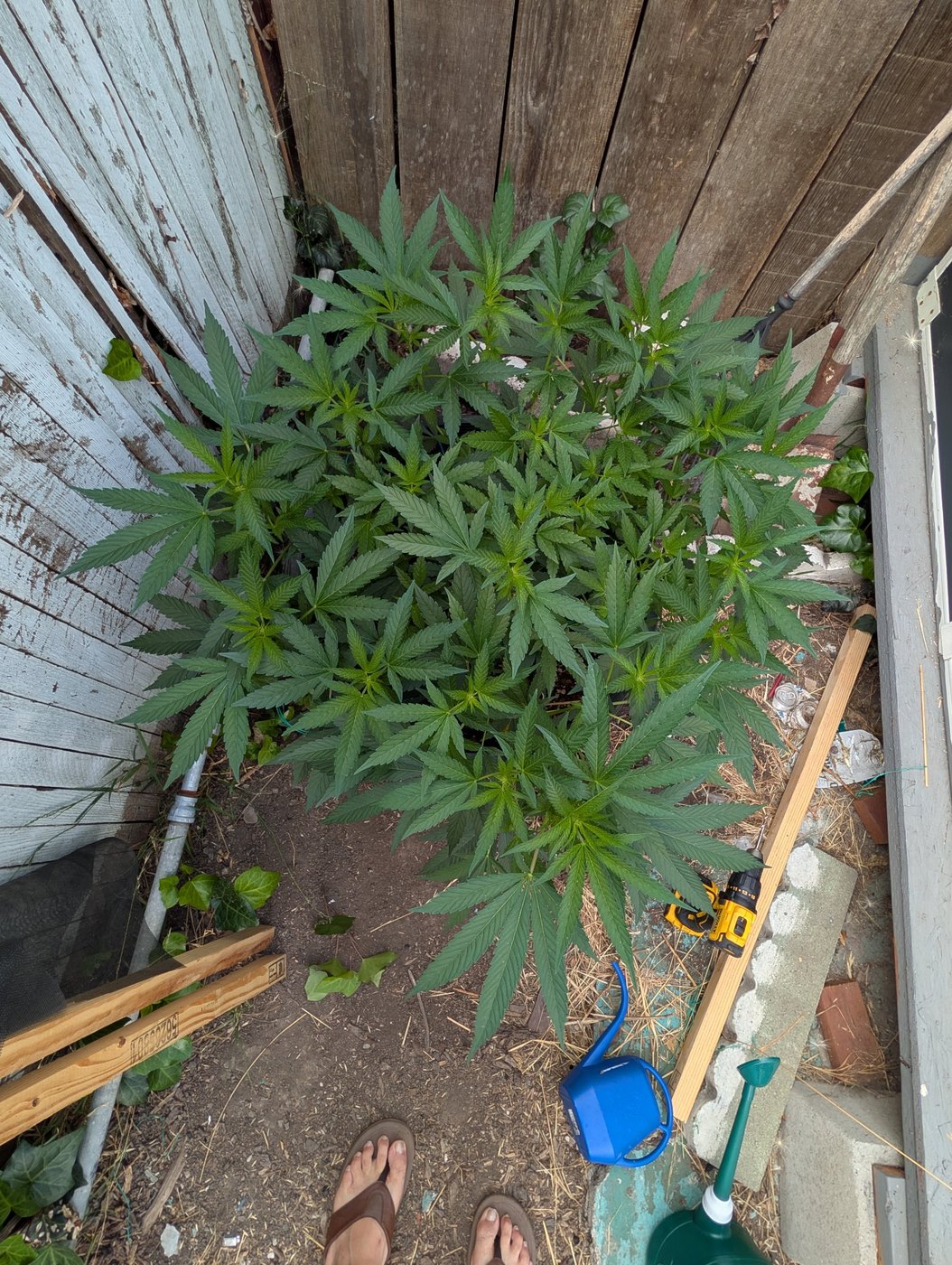
Our grower was managing a gorgeous Purple Pomegranate hybrid in a massive 40-gallon pot of coco coir outdoors. After a heavy nutrient feed, the plant ran into pH lockout, which is a common issue where the root zone becomes too acidic or alkaline, blocking the plant from absorbing its food.
The weather then turned cool and partly cloudy, with temperatures sitting around 69F (21C) and relative humidity at 65 percent. In giant containers, cool weather means the medium stays wet for a long time. The grower needed a precise game plan to let the roots breathe and lock in a full recovery without drowning the root zone.
Why it worked
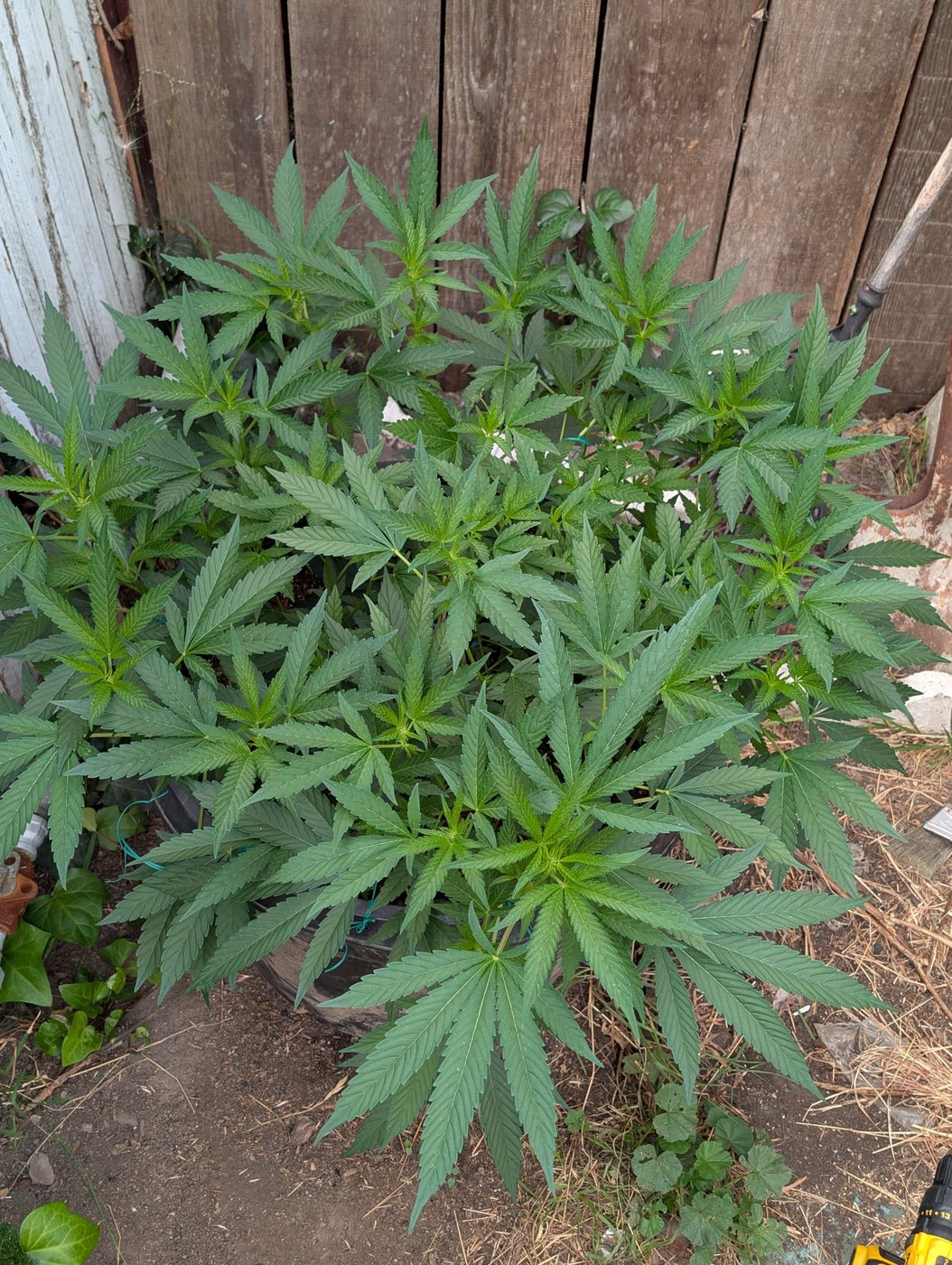
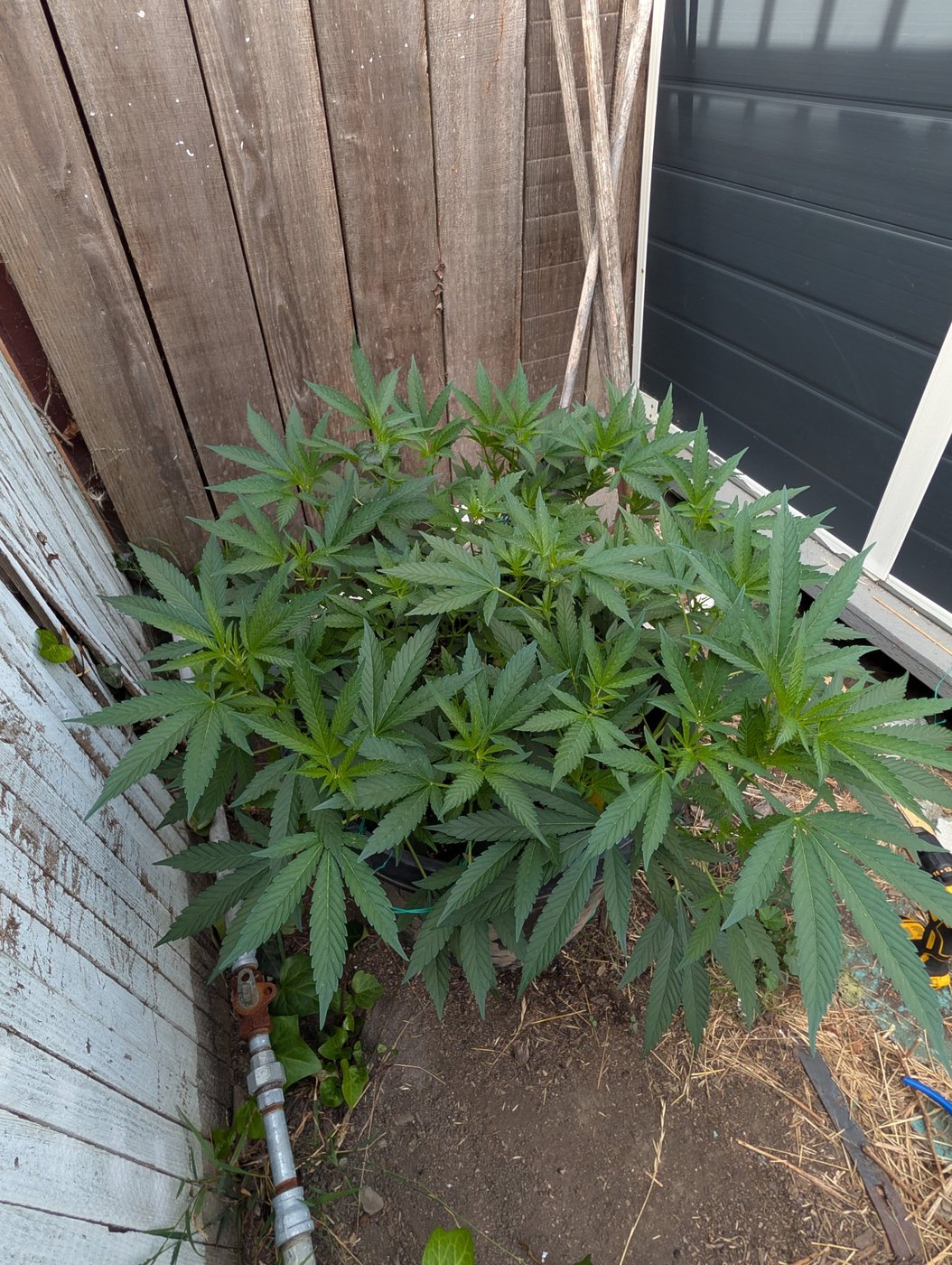
When a plant recovers from pH lockout, the leaves tell the story. Our diagnostic logic focused on both old and new growth. Old leaves showed no signs of mobile nutrient deficiencies, which means the roots had resumed normal uptake of nitrogen, phosphorus, and potassium. New growth at the center was a healthy, vibrant light green, proving that immobile elements like iron and calcium were moving freely again.
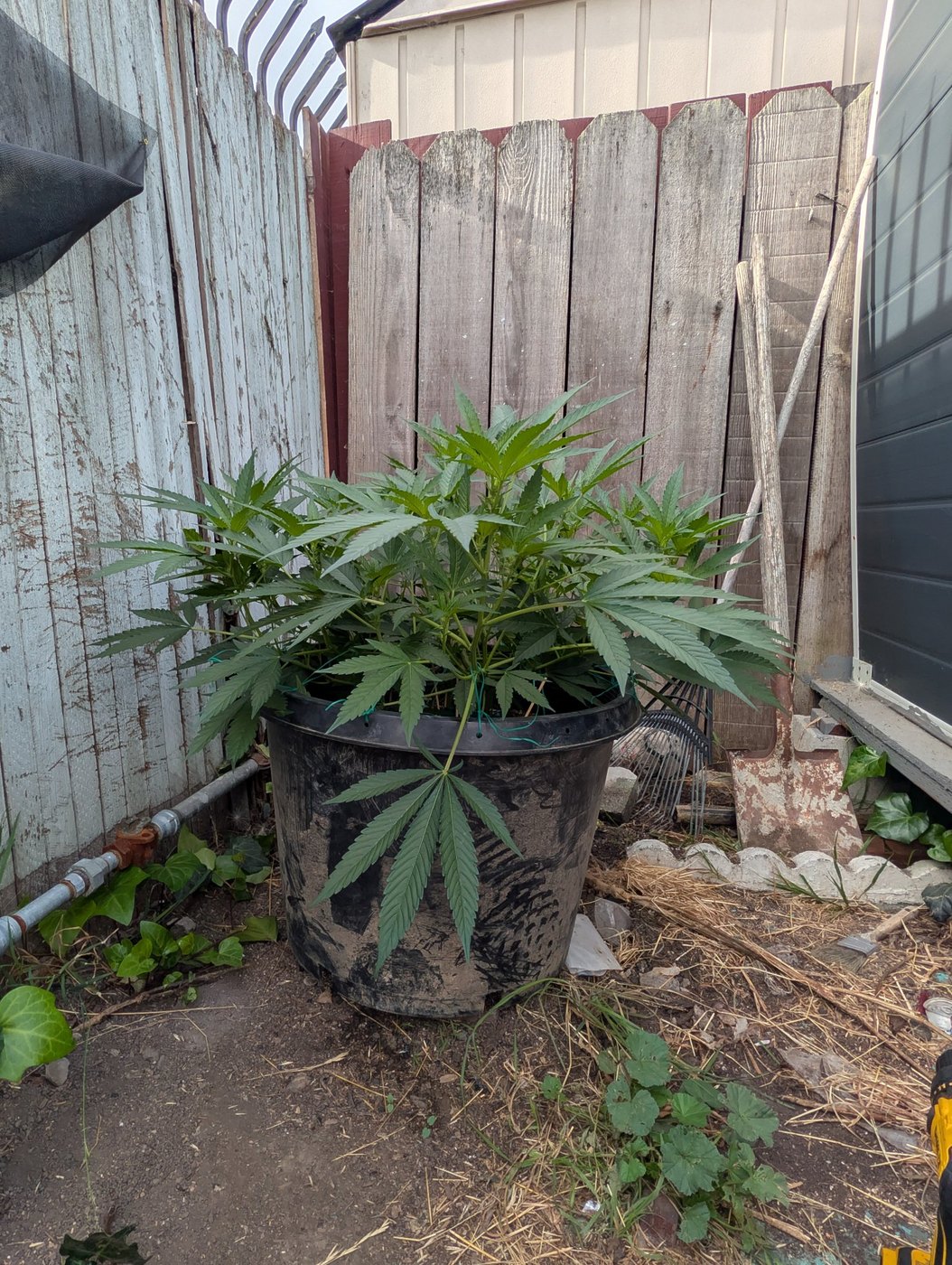
The win here came down to dry-back and root-zone management. In a massive 40-gallon pot, water does not evaporate quickly, especially in mild 69F weather. Overwatering at this sensitive stage would suffocate the newly recovered roots, leading to root rot. Letting the medium dry down before the next irrigation is what cemented this recovery.
How to replicate it
- To replicate this recovery and manage giant outdoor pots, follow these steps:
- Let the pot dry out fully until the top 2-3 inches of coco feel dry to the touch and the container feels noticeably lighter.
- Skip the nutrients on the first watering post-recovery to let the plant process the food already stored in the medium.
- Water with 2-3 gallons of plain water, which is about 5-7 percent of the total pot volume, to gently refresh the root zone without drowning it.
- Adjust the water pH to a range of 6.3-6.5, which is the sweet spot for outdoor coco to ensure all essential elements remain highly available.
- Keep the canopy open using low-stress training ties around the pot rim to maximize sunlight penetration and air movement across all growth tips.
Keep it going
- Monitor weather forecasts closely: cool, damp days mean you must stretch the time between waterings.
- Calibrate your pH pen once a month using standard 4.0 and 7.0 buffer solutions to prevent silent drift.
- Lift your pots or use a moisture meter before watering, and never water on a strict calendar schedule.
- Keep a simple log of your water pH and nutrient strength to spot trends before the plant shows physical stress.
Facing something similar? Start a free journal and I'll look at your plant: photos in, diagnosis out, 24/7.
Get a free diagnosis