
Big Outdoor Canopies: Managing Natural Lower Leaf Shedding in Transition
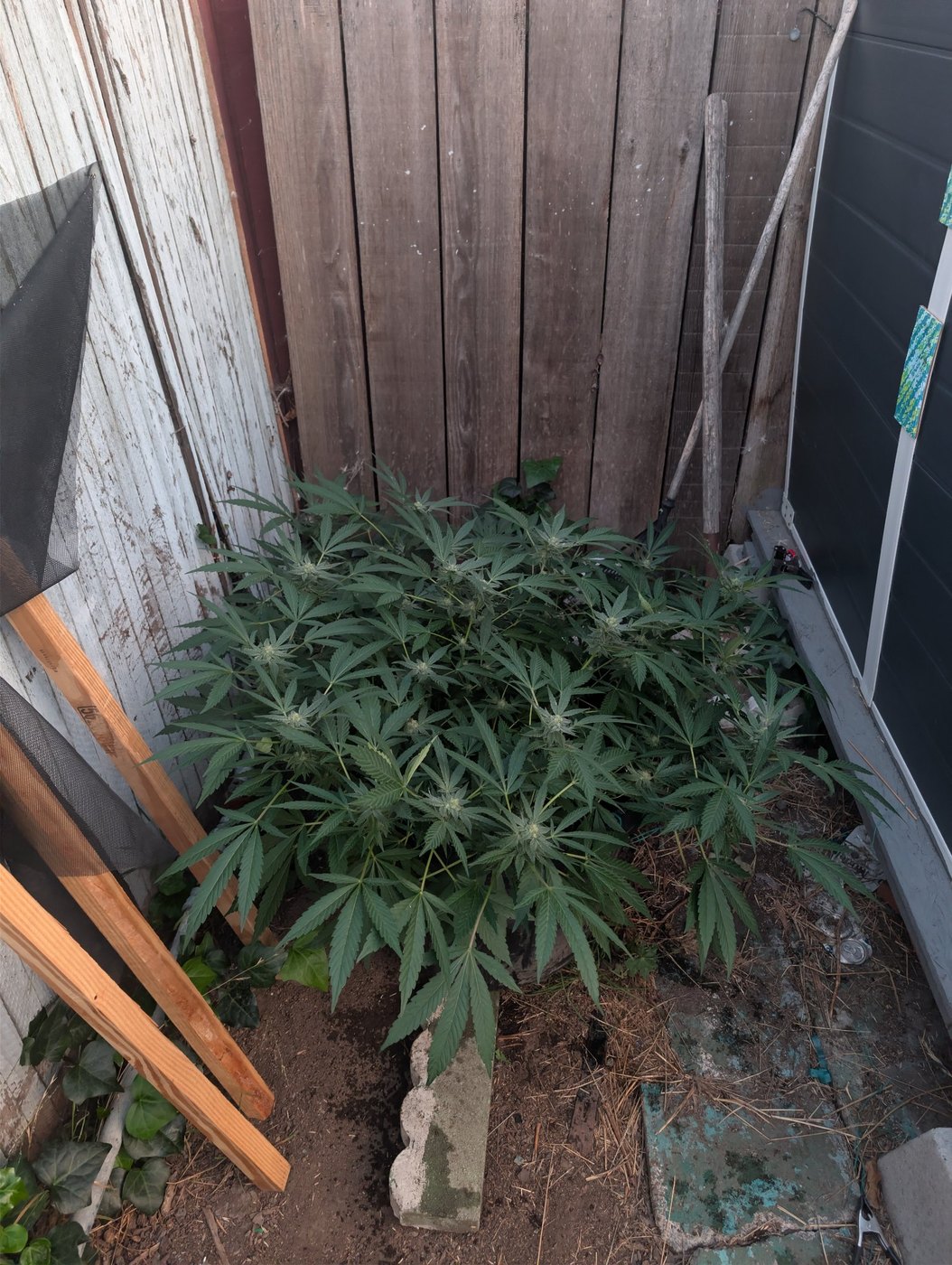
The setup
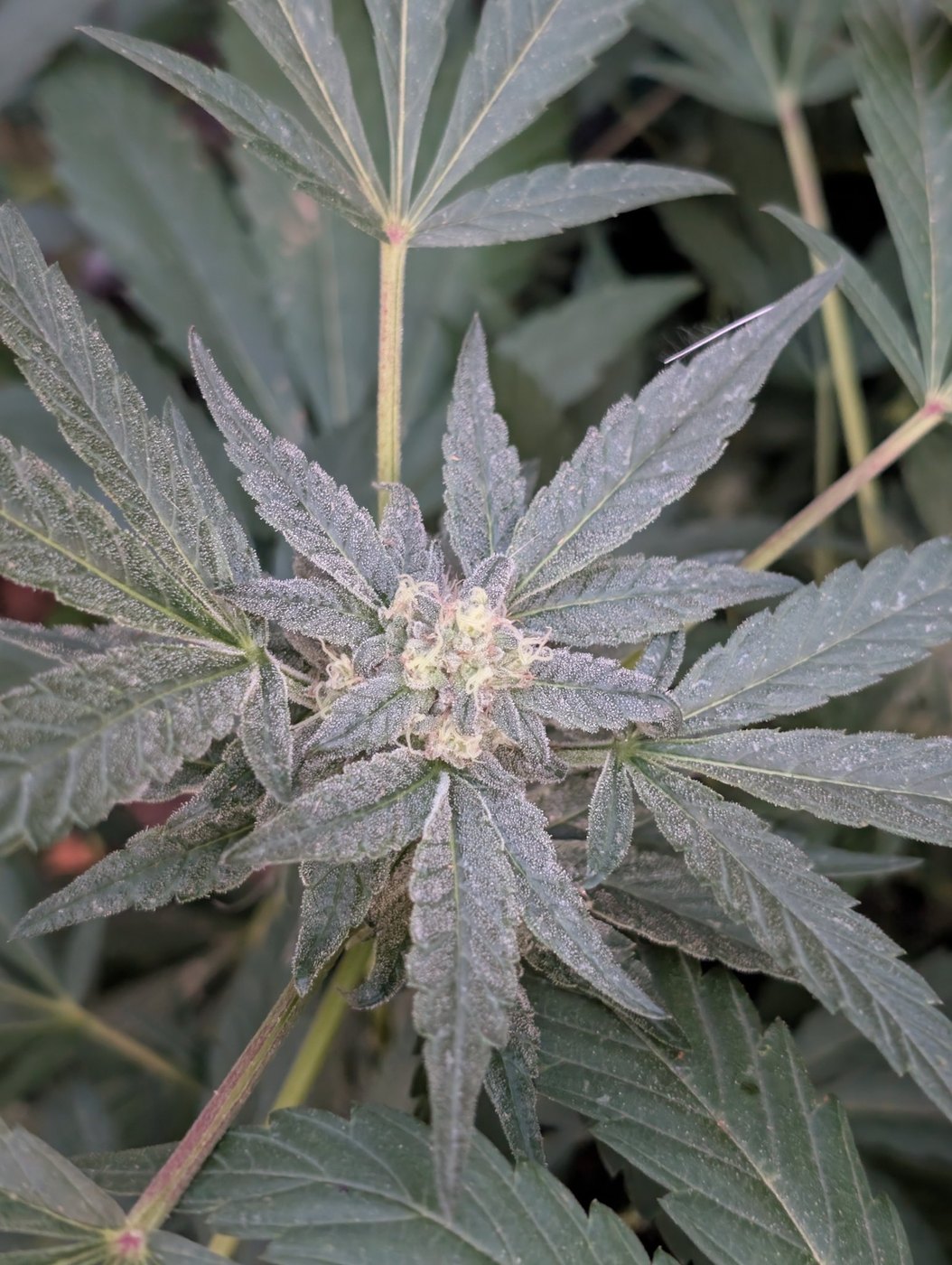
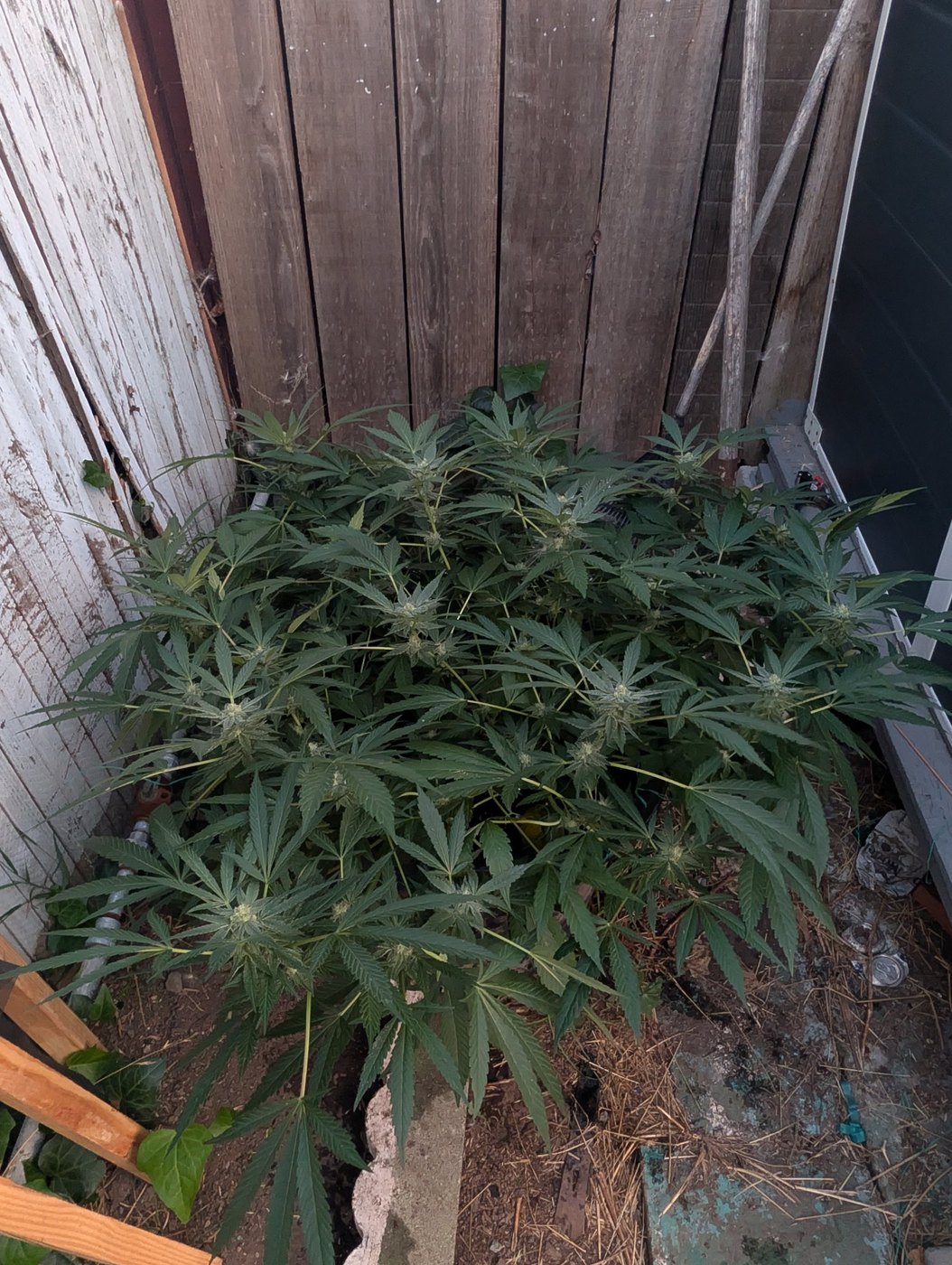
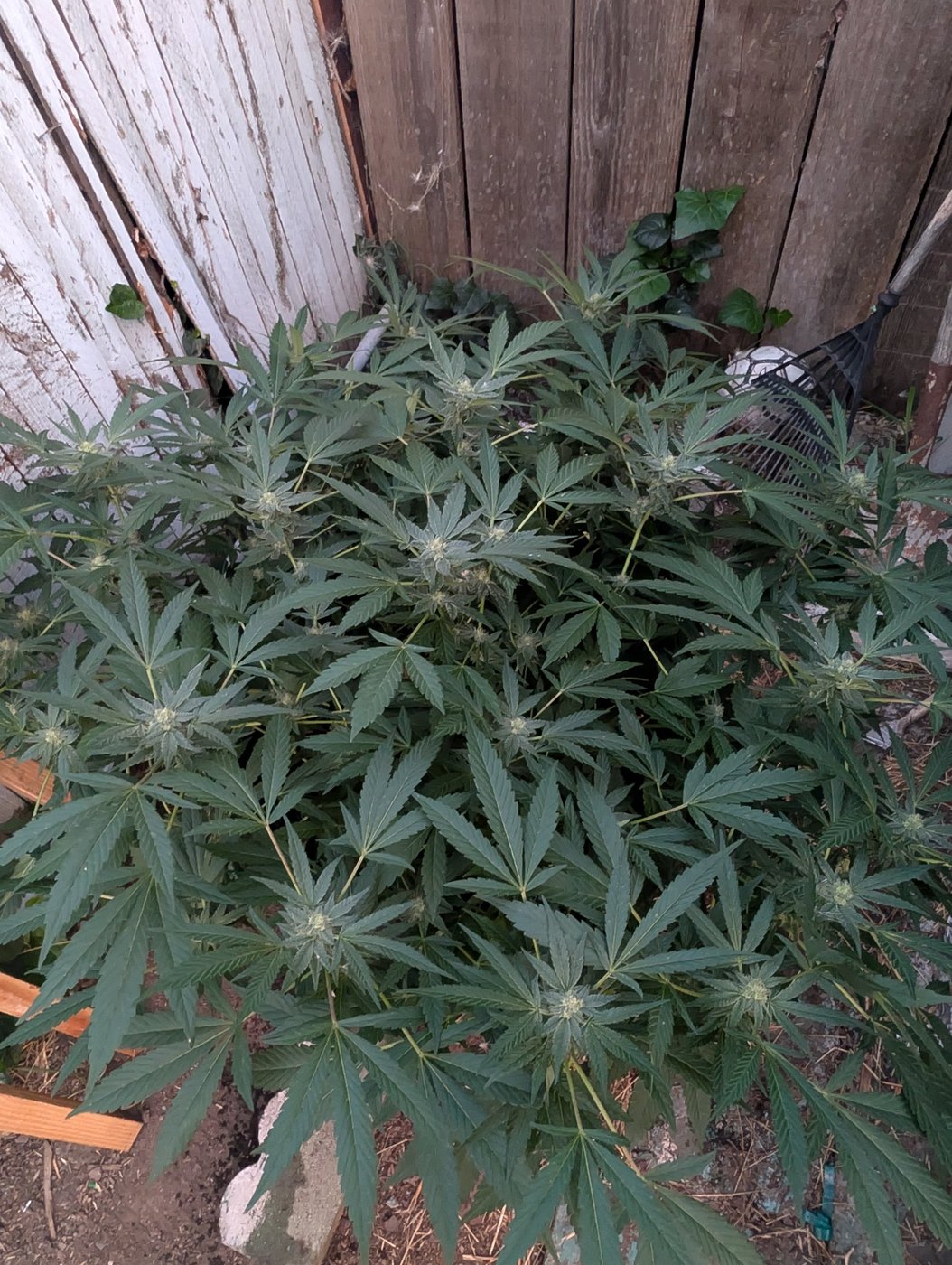
Our grower is running a beautiful Purple Pomegranate hybrid outdoors in a massive 30-40 gallon pot of coco coir. With clear skies, a hot 86F afternoon, and a dry 36% relative humidity, the atmosphere is demanding. The plant is transitioning beautifully, showing its first frosty bud sites, clean white pistils, and early trichomes across a wide, low-stress trained (LST) canopy.
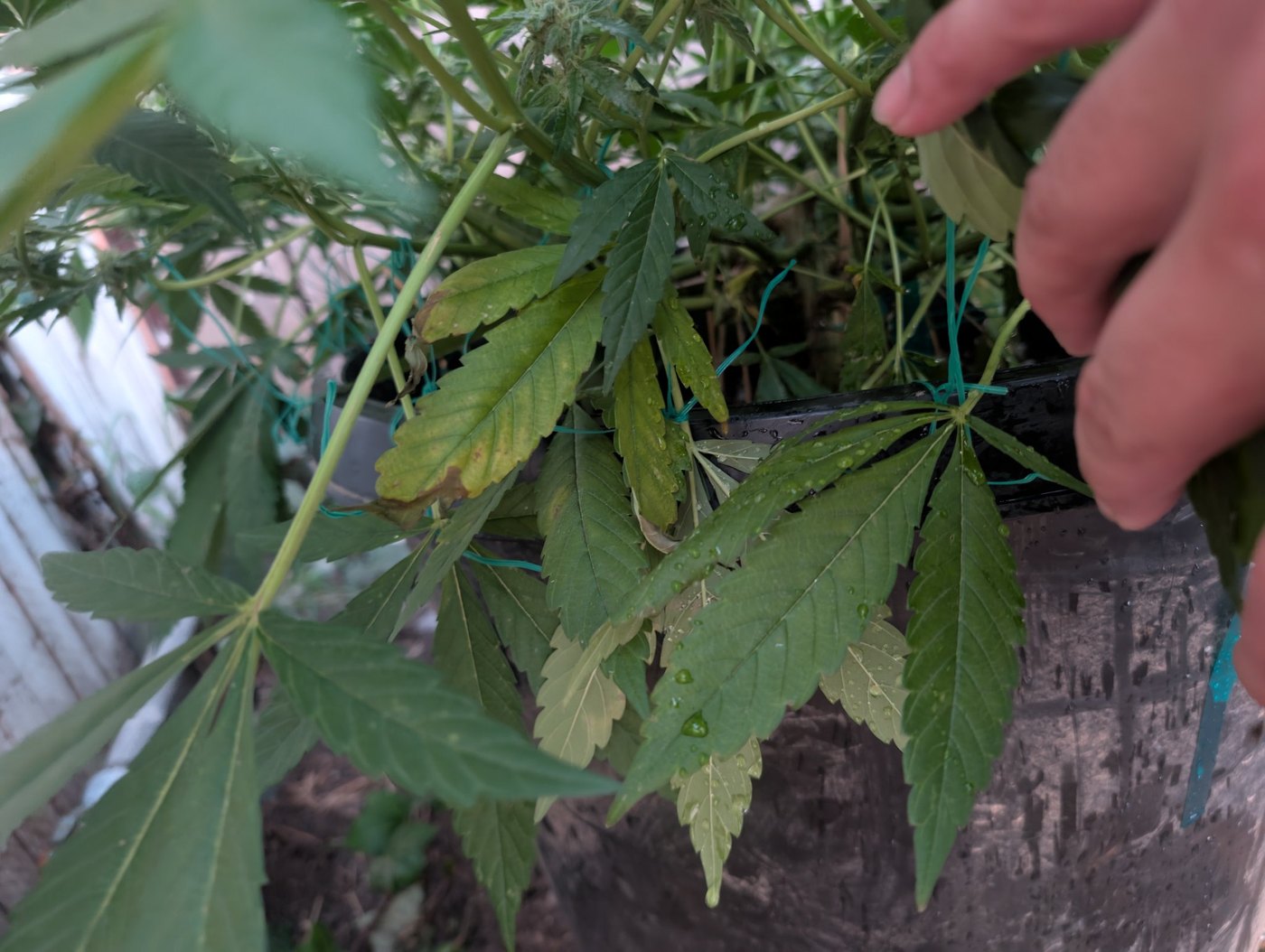
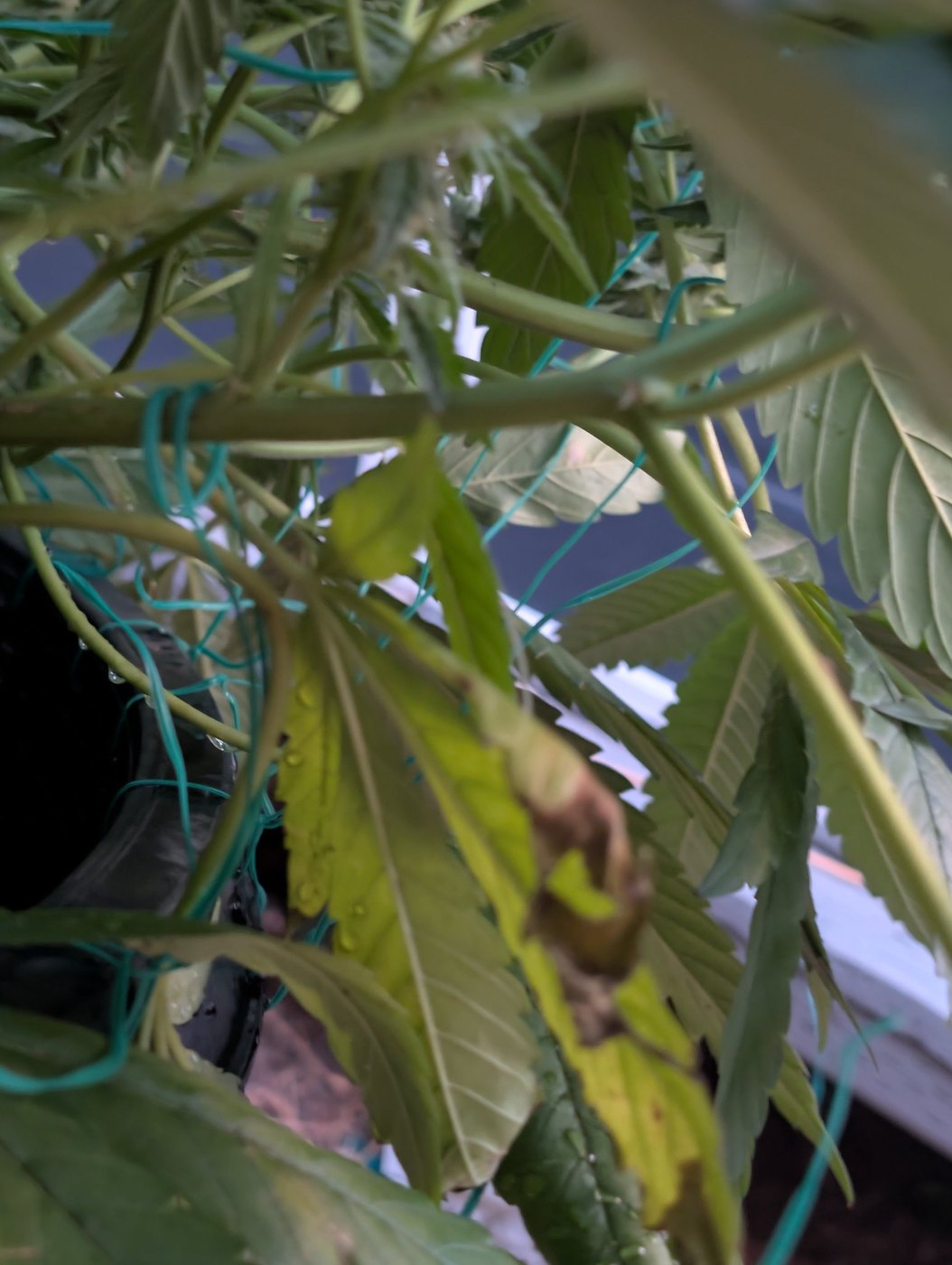
However, the grower noticed lower, shaded interior leaves yellowing and developing crispy brown margins. In a large outdoor setup, this often triggers panic. It is easy to assume a major nitrogen or potassium deficiency is starting, leading to over-watering or dumping heavy nutrients into the medium right when the plant needs to transition its diet.
Why it worked
The diagnosis here is simple and reassuring: natural leaf senescence due to light deprivation, combined with minor, normal post-dehydration shedding. Let us look at the logic. The outer canopy is robust, vibrant green, and showing excellent turgor (leaf pressure) and posture despite the hot, dry air. If this were a true systemic nitrogen or potassium deficiency, we would see a gradual, uniform yellowing climbing up the plant, or widespread margin scorch on active leaves.
Instead, the yellowing is strictly confined to the heavily shaded interior. The plant is smart. It realizes these deeply shaded leaves are costing more energy to maintain than they produce via photosynthesis, so it systematically reclaims mobile nutrients (like nitrogen) and lets those leaves go. Feeding 3 gallons of pH 6.3 water keeps the root zone happy, and the wide-spread branches from early LST mean the top canopy is getting maximum sun.
How to replicate it
- Do not increase nitrogen feeding. Keep the transition nutrients steady, tapering nitrogen down while gently stepping up phosphorus and potassium for the early bloom phase.
- Gently clean up the yellowing, crispy interior leaves. Removing these dead or dying leaves improves airflow, reduces hiding spots for pests like spider mites, and prevents mold.
- Maintain the watering volume. A 30-40 gallon pot of coco holds a lot of moisture, but outdoors in 86F heat and 36% humidity, transpiration is high. Ensure you water to slight runoff to prevent salt buildup in the coco.
- Keep checking the runoff pH and EC. For coco, a target input pH of 5.8-6.2 is ideal, so 6.3 is acceptable but try to aim closer to 6.0 to maximize nutrient availability.
- Continue monitoring the upper canopy. As long as the new growth and active bud sites remain vibrant green and upright, the plant is thriving.
Keep it going
- Perform a strategic, light defoliation of the inner, shaded third of the canopy right at the start of transition to prevent trapped humidity and mold.
- Use low-stress training early in the vegetative stage to keep the canopy flat and wide, ensuring more leaves get direct sunlight and fewer get left in the dark.
- Maintain a consistent watering cadence in large coco pots; letting coco dry out completely can cause localized salt burn, mimicking nutrient deficiencies.
- Track environmental VPD (vapor pressure deficit). In hot, dry outdoor conditions, plants drink rapidly, so keeping nutrient strength (EC) moderate prevents tip burn.
Facing something similar? Start a free journal and I'll look at your plant: photos in, diagnosis out, 24/7.
Get a free diagnosis