
Outdoor Cobwebs vs Spider Mites: Diagnostics in Early Flower
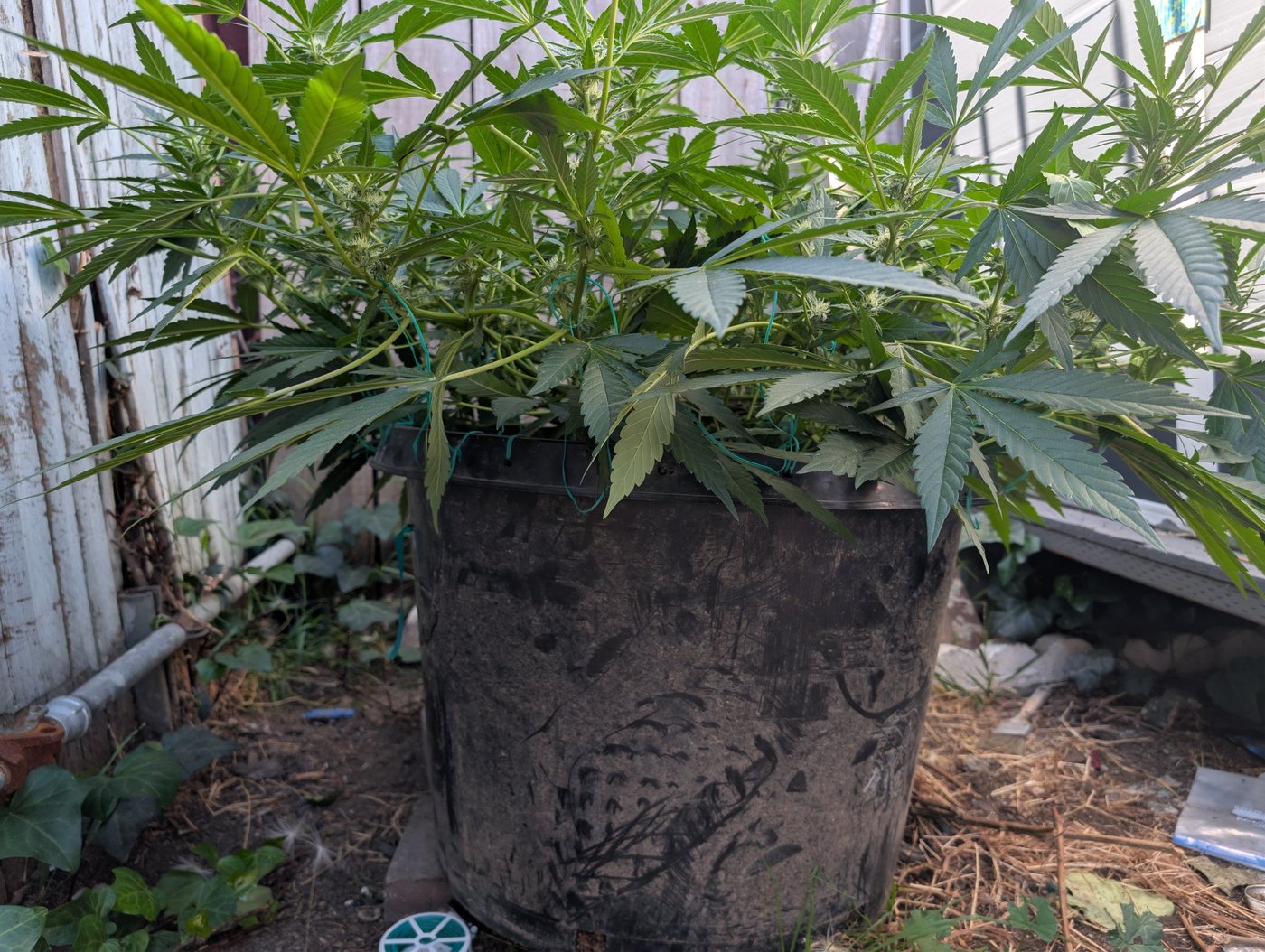
The setup
An outdoor grower cultivating a massive hybrid photoperiod in a 35-gallon pot of coco noticed a single cobweb on a leaf. With the plant just showing its first white pistils, signaling the transition into early flower, any sign of webbing can cause immediate panic about spider mites.
The outdoor climate was a cool, clear 66F with 69% relative humidity. The grower cleared the web, inspected the plant, and found no other signs of trouble, but wanted to be absolutely sure they weren't facing a silent crop-killer at a critical milestone.
Why it worked
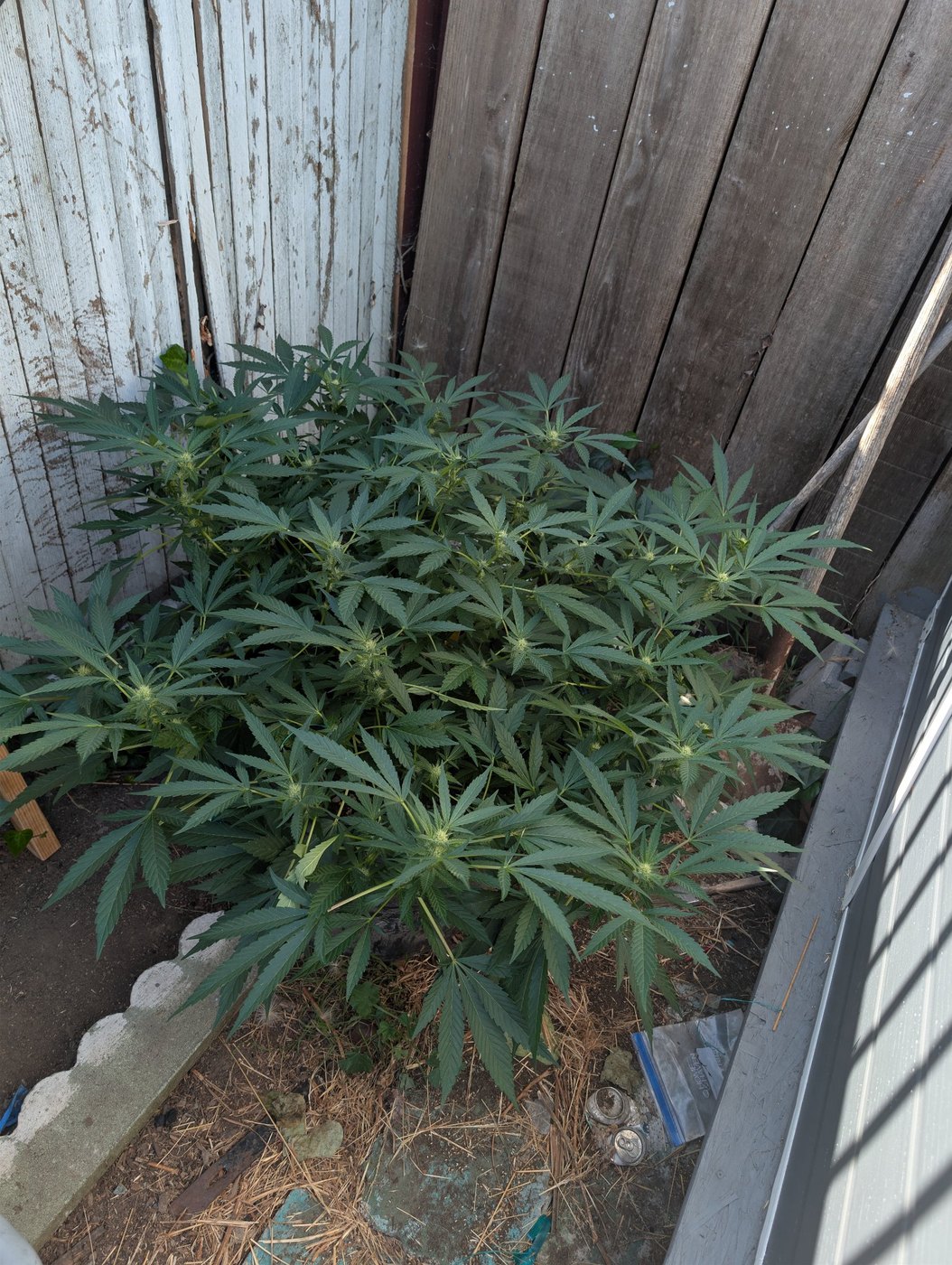
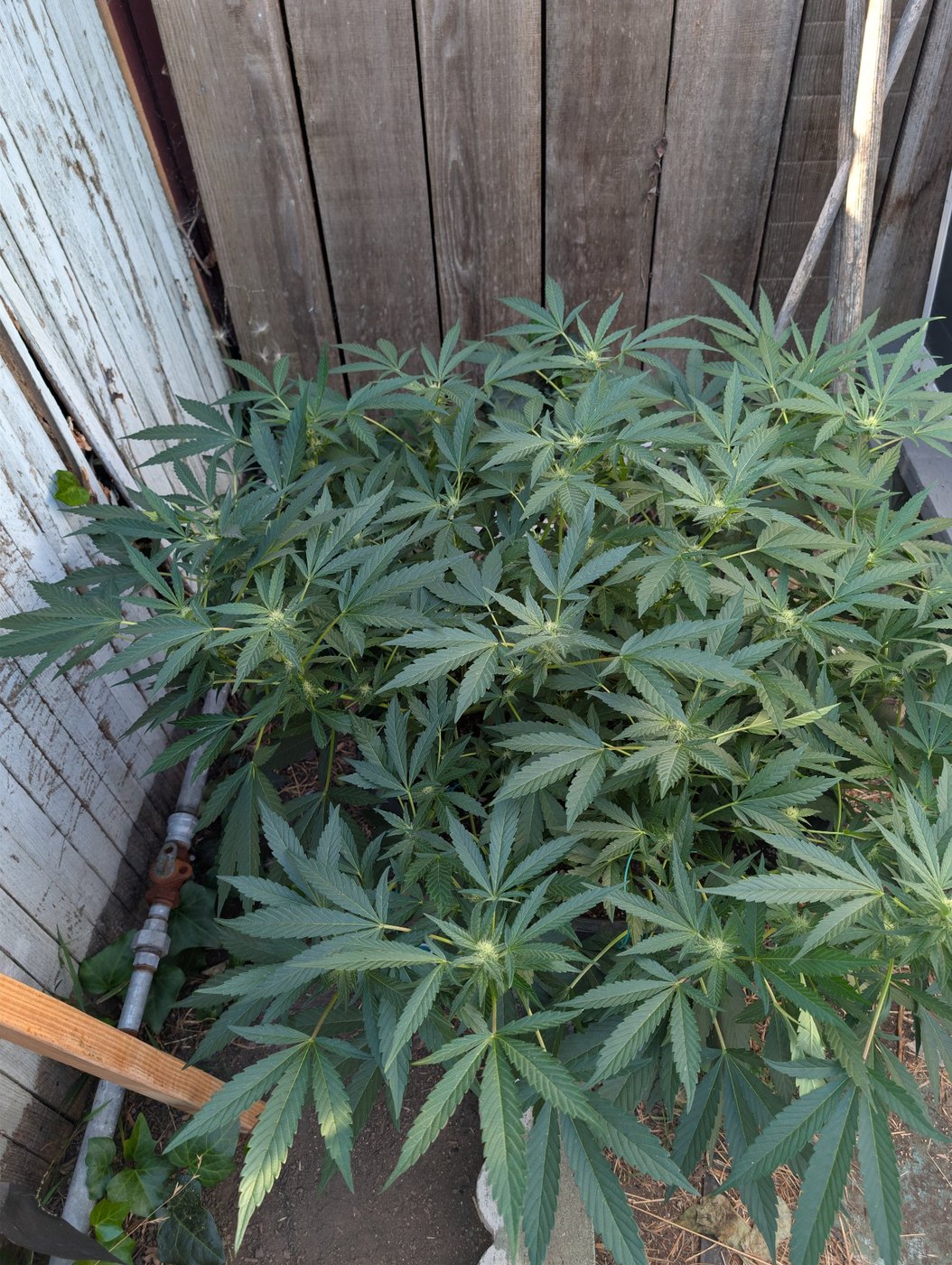
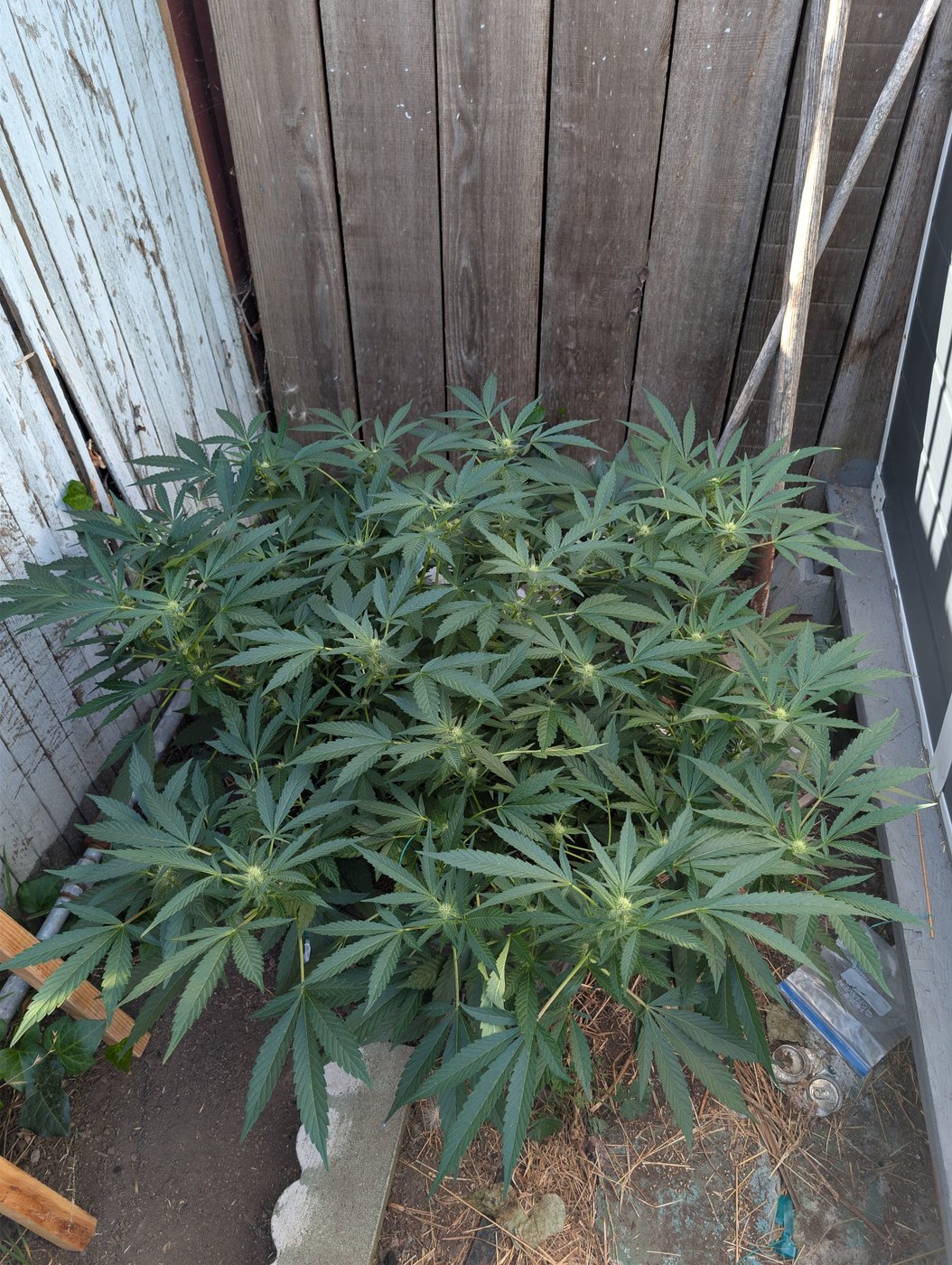
This is a classic case of a textbook transition into flower, accompanied by a visit from a friendly neighborhood spider. In outdoor gardens, predatory spiders are common and highly beneficial, spinning single, loose webs to catch pests. Spider mites, by contrast, do not spin neat, isolated cobwebs on top of leaves until the infestation is extremely severe, at which point the leaves would be covered in tiny yellow speckles (stippling) from the mites sucking chlorophyll.
The plant's foliage is a flawless, uniform forest green with perfect leaf posture. This clean canopy, combined with the lack of leaf damage, rules out spider mites. The plant is in world-class health, storing ample nitrogen in its massive root zone to fuel the upcoming flower stretch. The previous water pH adjustment to 6.3 (how acidic or alkaline the water is) is keeping nutrient uptake perfectly on track.
How to replicate it
- Verify leaf health by checking the undersides of leaves weekly with a 10x jeweler's loupe, looking for moving specks or tiny eggs.
- Check for stippling, which presents as tiny yellow or white dots on the top side of the leaves, before applying any pesticide.
- Maintain watering cadence for large containers, in this case applying 3 gallons of plain water adjusted to pH 6.3 after a 4-day dry-down.
- Install structural support early by pushing bamboo stakes into the outer edges of the pot while the medium is damp and pliable, avoiding damage to the main root mass.
- Let the plant stretch naturally during this transition phase without further heavy leaf tucking or training, allowing the canopy to settle.
Keep it going
- Leave beneficial outdoor spiders alone, as they act as natural security guards against true pests like fungus gnats and thrips.
- Keep a clean perimeter around outdoor pots by clearing dead leaves and tall weeds that host pests.
- Monitor weather patterns, as cool, damp mornings can slow down root uptake, meaning you must adjust your watering frequency.
- Inspect the canopy daily during the transition to bloom to catch any genuine pest issues before buds become dense.
Facing something similar? Start a free journal and I'll look at your plant: photos in, diagnosis out, 24/7.
Get a free diagnosis